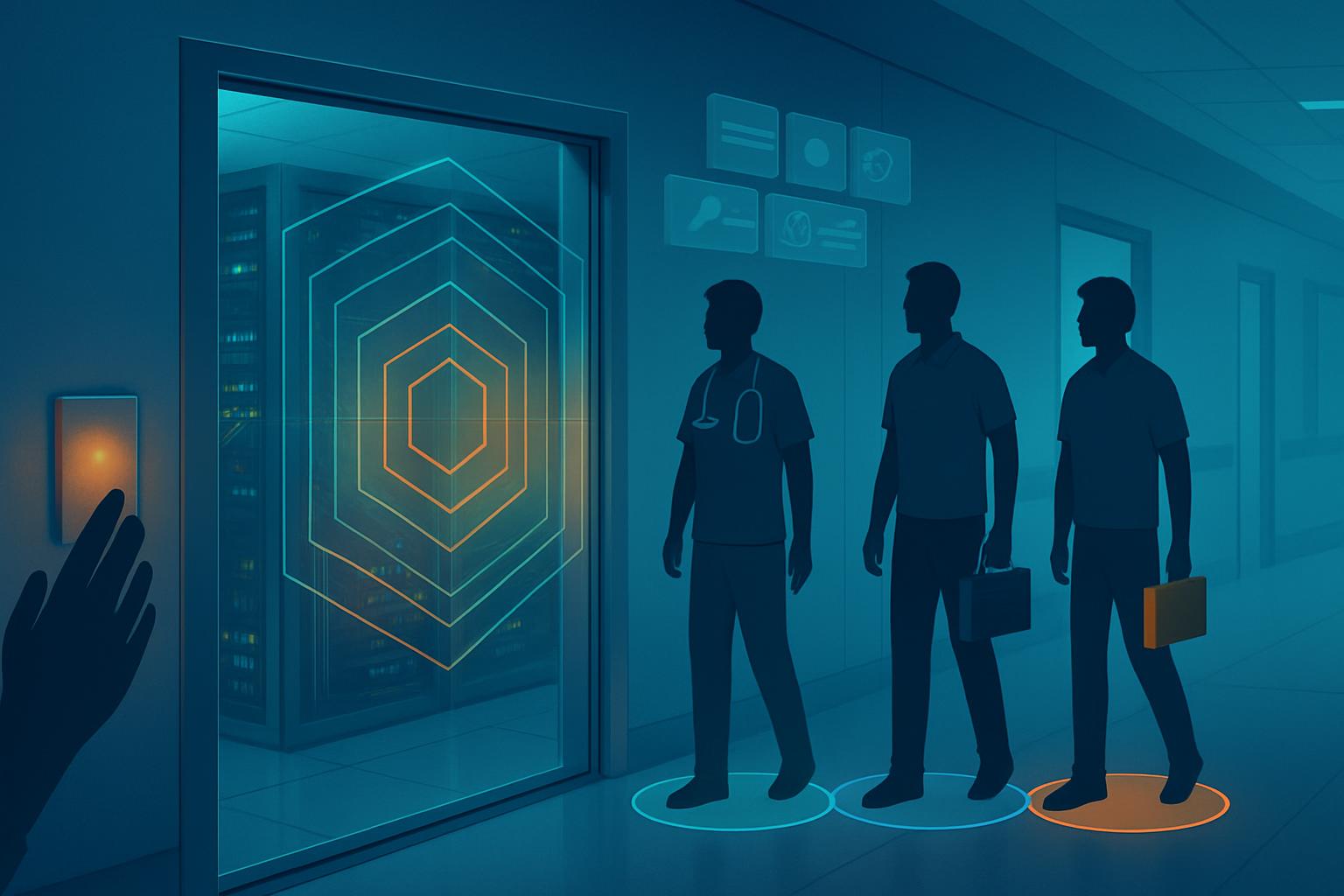
The server room access requirements for healthcare offices require the organization to limit physical access to electronic information systems and the rooms or facilities that house them, while allowing authorized people to enter when their jobs require it. Under HIPAA, this means using role-based access, visitor controls, emergency-entry procedures, and records of security-related repairs or changes. A locked door alone is not enough if the office cannot show who is authorized, how access is validated, and what happens during an emergency.
What does the official HIPAA requirement say?
HIPAA’s physical safeguards standard at 45 CFR § 164.310(a)(1) requires a covered entity or business associate to:
“Implement policies and procedures to limit physical access to its electronic information systems and the facility or facilities in which they are housed, while ensuring that properly authorized access is allowed.”
For a compliance officer, the important point is that this is a required standard. The organization must have reasonable, documented facility access controls appropriate to its environment. The regulation does not mandate a specific lock, badge platform, guard service, or camera system; it requires controls that reliably prevent unauthorized physical access without blocking legitimate work.
- “Implement policies and procedures” means the control must be documented and put into operation. An unwritten practice such as “only IT knows the server-room code” is difficult to audit and may fail when staff change.
- “Limit physical access” means access is restricted to people with a legitimate business or operational need. This can include employees, managed service providers, hardware vendors, building engineers, and emergency personnel, but not unrestricted office staff.
- “Electronic information systems” includes more than a traditional rack server. It can include network switches, firewalls, storage appliances, backup devices, telecommunications equipment, local authentication systems, and other equipment that stores, processes, or supports access to electronic protected health information (ePHI).
- “Facility or facilities in which they are housed” means the organization must consider the room, closet, cage, or data-center area where the equipment sits. If a locked closet is inside a generally accessible suite, both the suite and the closet may need appropriate controls.
- “Properly authorized access” means authorized personnel must be able to enter when needed, including during outages, disaster recovery activity, and emergency operations.
The four implementation specifications beneath this standard are addressable, not optional. The organization must assess each one and either implement it when reasonable and appropriate, implement an equivalent alternative safeguard, or document why it is not reasonable and appropriate and how the HIPAA standard is still met.
What do server room access requirements for healthcare offices apply to?
These physical server-room controls apply to HIPAA covered entities and business associates that maintain electronic systems in an office, clinic, leased suite, warehouse, support center, or other facility. The obligation applies whether the organization operates a full server room, a small locked network closet, or a cabinet holding a firewall and backup appliance.
The requirement is triggered by the presence of electronic information systems that create, receive, maintain, or transmit ePHI, or that materially support those functions. A cloud-first organization is not automatically outside the scope. For example, an office firewall, local file server, network-attached backup device, or identity appliance may expose ePHI or provide a path to it if someone can physically tamper with, steal, or disrupt the equipment.
Facility access controls should also cover the people and events that create risk:
- New employees, contractors, interns, and temporary staff who need access based on their role.
- Terminations, role changes, and vendor offboarding, when badges, keys, codes, and escort permissions must be removed promptly.
- Visitors, delivery personnel, cleaning crews, landlords, and building maintenance workers who may be near restricted equipment.
- Hardware repair, cabling work, door-lock replacement, wall modifications, and other changes affecting physical security.
- Power failures, fire alarms, network outages, ransomware recovery, and other incidents requiring emergency access.
A mid-market organization does not need to treat every office closet like a data center. It does need to identify which locations contain in-scope systems, assess the risk of unauthorized entry or tampering, and apply safeguards proportionate to that risk.
What does compliant server-room access look like in practice?
Compliant access management is evidence-based. An assessor should be able to trace a restricted room from the written policy to the people authorized to enter, the technical or physical mechanism used to restrict entry, and the records showing that the control is maintained. The following examples show what that can look like.
| Control in practice | Example of acceptable operation | Evidence an assessor can review |
|---|---|---|
| Role-based entry authorization | Only the IT director, two systems administrators, and the facilities manager have Brivo Mobile Pass access to the network room. The office manager can request access but cannot approve it. | Access-control role report, approved access request, quarterly access review, and termination deprovisioning records. |
| Visitor validation and escorting | A firewall vendor technician signs in through Envoy Visitors, presents identification, receives a “Vendor—Escorted” badge, and is accompanied by an authorized IT employee at all times. | Visitor log, work order, technician identity record, and ticket documenting the escort and work performed. |
| Emergency and contingency entry | The emergency operations plan identifies the IT director and backup administrator as 24-hour contacts. A sealed emergency key is held in a monitored Knox Box, and any use requires incident-ticket documentation and next-business-day review. | Emergency access procedure, call tree, key custody log, test results, and incident records. |
| Security-related maintenance records | When the suite’s network-room lock is replaced, the facilities team records the date, locksmith invoice, new keyholder list, old-key return status, and post-repair access test in Jira Service Management. | Maintenance ticket, invoice, photos if retained by policy, access-control configuration change, and validation signoff. |
Consider a concrete example. PulseBridge, a 175-person remote patient monitoring company, uses cloud-hosted clinical applications but maintains a local network room containing Cisco Meraki switches, a Palo Alto firewall, an encrypted backup appliance, and an on-premises identity connector. The room is protected by a Brivo badge reader, and only three IT staff members have standing access. A managed service provider receives time-limited access only after a ticket is approved by the IT director; its technician is escorted because the provider does not need independent facility access. The compliance officer receives a monthly badge-access exception report and compares the authorized list against HR termination reports.
That arrangement supports the Facility Security Plan and Access Control and Validation Procedures implementation specifications. It also demonstrates why the policy must cover more than the lock: the organization can show how it validates access by role, controls visitors, reviews exceptions, and removes access when employment ends.
A second example is a 60-person digital health startup with a small office and no dedicated server room. Its locked communications closet contains the ISP modem, Wi-Fi controller, firewall, and a device used to back up configuration files. The startup documents the closet as an in-scope restricted area because compromising the network equipment could enable unauthorized access to systems containing ePHI. The CTO and contracted network administrator have key access; the office operations lead holds a sealed backup key for emergency building access but may not enter the closet without contacting an authorized technical lead. This is a reasonable approach when matched to the organization’s size and risk, provided it is documented and consistently followed.
How do the HIPAA facility access implementation specifications fit together?
The HIPAA access-control standard is best understood as four connected operational expectations:
- Contingency Operations, § 164.310(a)(2)(i): Define how authorized personnel gain facility access to restore data or operate in emergency mode. Test whether the process works when normal badge systems, staff availability, or building access are disrupted.
- Facility Security Plan, § 164.310(a)(2)(ii): Identify physical threats such as theft, tailgating, unlocked doors, shared keys, exposed racks, or construction work, then establish safeguards against them.
- Access Control and Validation Procedures, § 164.310(a)(2)(iii): Decide access by job role or function, validate identity before entry, control visitors, and account for testing or revision activities that may require physical access to equipment.
- Maintenance Records, § 164.310(a)(2)(iv): Keep records of repairs and modifications related to physical security, including doors, locks, walls, racks, and hardware that affects facility protection.
For compliance purposes, align these records with existing workflows rather than creating a separate paper process. HR can trigger access removal, IT service management can retain access and maintenance tickets, facilities can retain lock and door records, and security can retain badge and visitor reports. The compliance function should define retention expectations, sample evidence periodically, and confirm that procedures match actual office operations.
FAQ
Who can access a server room in a healthcare office?
Only people with a documented role-based need should have access, such as designated IT administrators, approved facilities personnel, and authorized vendors. Visitors should be validated, logged, and escorted unless the organization has documented reasons for independent access.
Does HIPAA require a badge reader on every server room door?
No. HIPAA does not prescribe badge readers. A keyed lock, electronic lock, secured cabinet, staffed access point, or another reasonable safeguard may be appropriate, but the organization must be able to control and validate access and maintain evidence of who is authorized.
Do cloud-based healthcare companies need server room access controls?
Yes, if they maintain local electronic systems that handle or support ePHI access. Even where applications and records are hosted in the cloud, network equipment, backup devices, local servers, and identity infrastructure may require physical protection.
How long should server room visitor and maintenance records be kept?
HIPAA generally requires required documentation to be retained for six years from its creation date or the date it was last in effect, whichever is later. Apply that retention rule to the policies and procedures themselves, and set a documented, risk-based retention schedule for operational logs and related records with legal counsel’s input.
Next step: Have your facilities, IT, and HR owners walk through each restricted equipment area this quarter and compare actual access, visitor, emergency, and maintenance practices against the documented HIPAA procedures.


